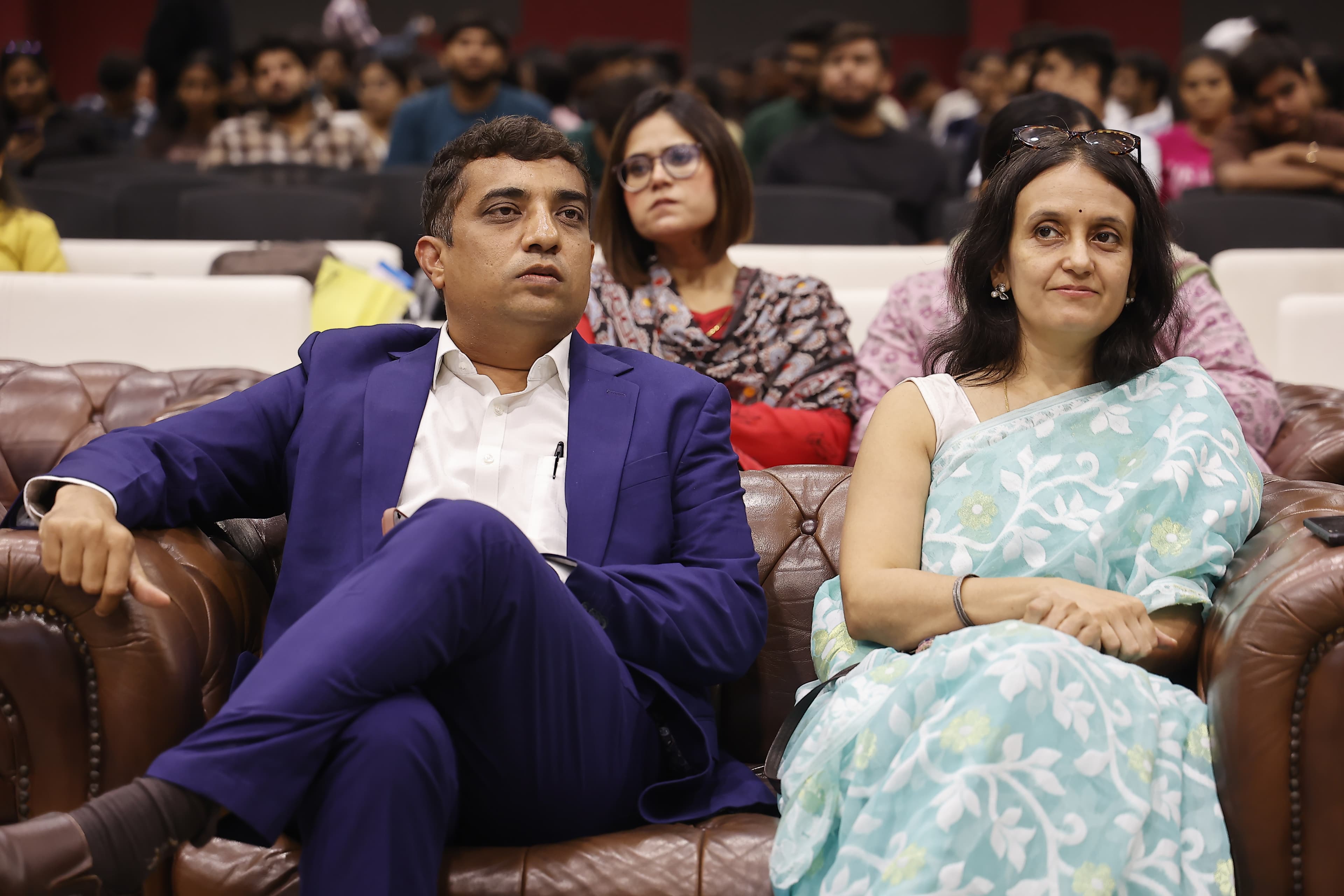
I started in a small engineering college in Rajkot with no plan beyond “understand how things work.” Twenty years later that same question has taken me through 14 countries, a hundred-million-dollar transformation, a TEDx stage, and a newsletter I write mostly to think.
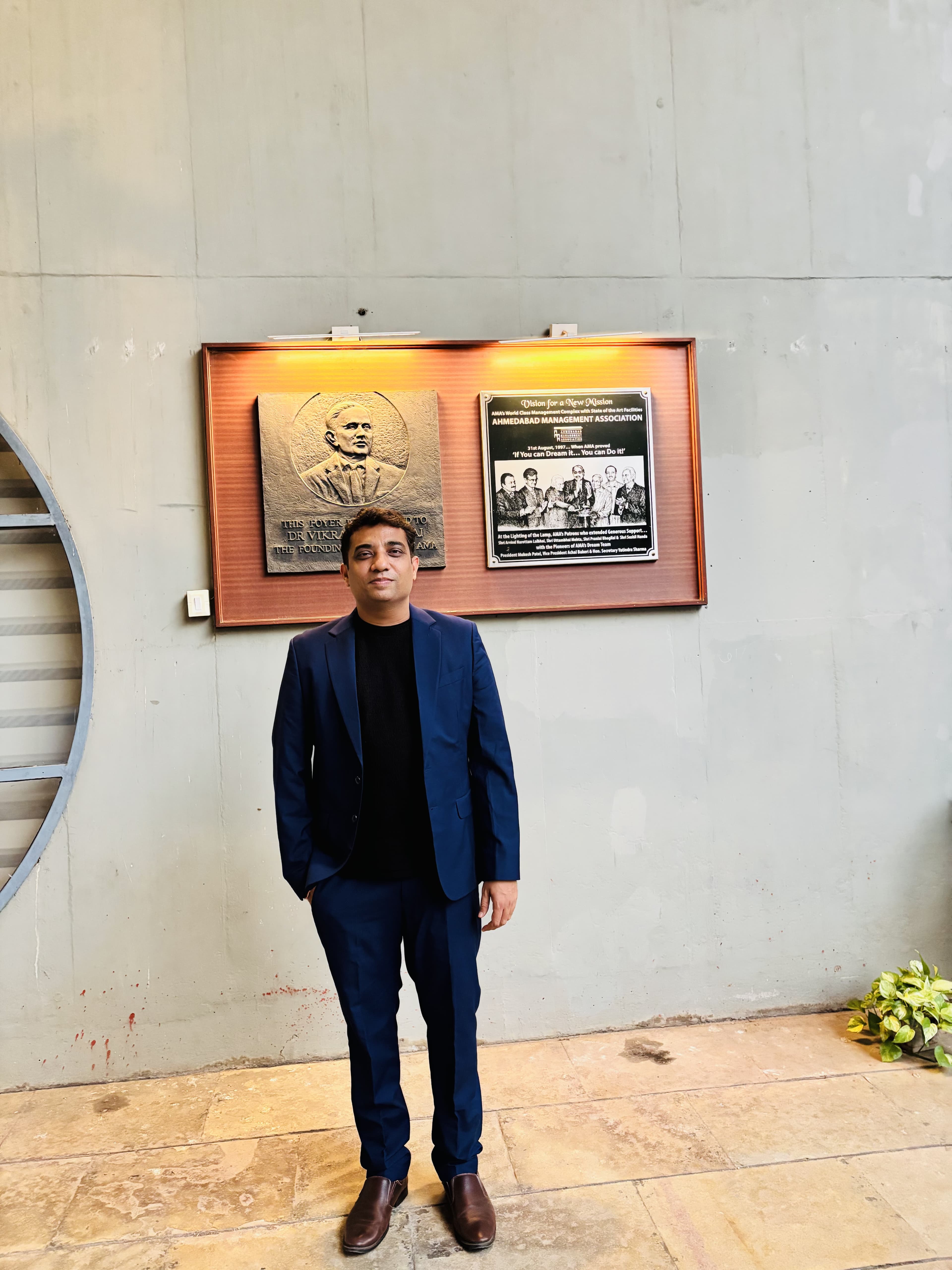
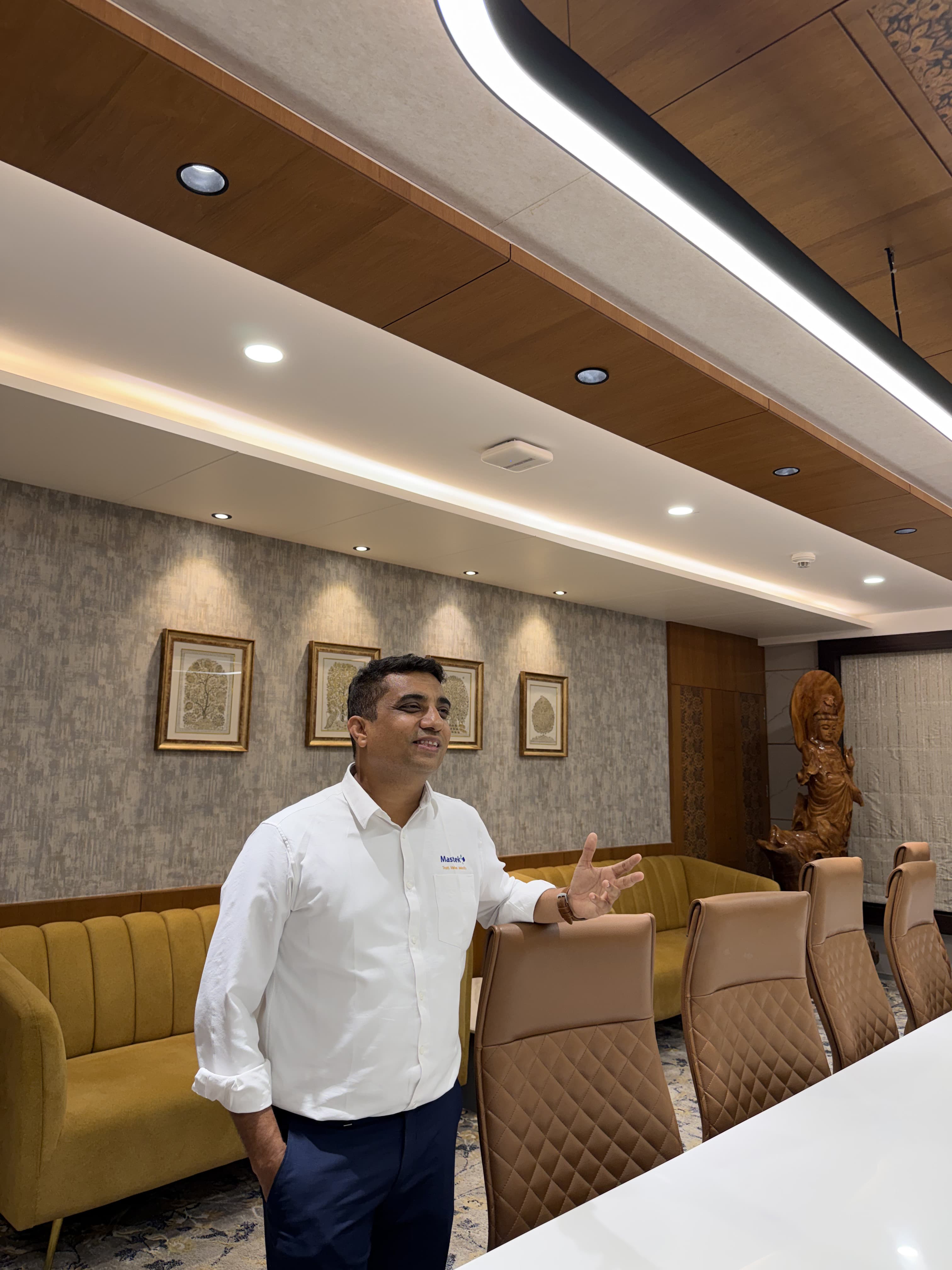
I've never been the smartest person in the room. I've usually been the one asking the most questions in it and that turned out to be the more useful habit.
My first job wasn't glamorous. It was learning, in painful detail, why good technology fails inside real organisations — the politics, the half-finished data, the team that was never asked. That education has been worth more than any framework I've read since.
I lead transformation at Mastek and speak wherever people are wrestling with the same questions. What I care about hasn't changed: making complicated things simple enough to act on, and leaving teams more capable than I found them.
Five turns that mattered
Not a résumé — the moments that actually changed how I work.
A bachelor of engineering, and a habit
Atmiya University, Rajkot
No grand plan — just an interest in taking things apart and a tolerance for not knowing the answer yet.
Four values, tested
Easy to write on a wall. Harder in week fourteen of a difficult programme which is where they count.
Education, and the parts that stuck
A degree teaches you to finish things. The rest of it reading, teaching, being wrong in public is the part that compounds.
IIM Ahmedabad
Senior Management Programme
2025-2026
Strategic Management
Ahmedabad University
Marketing & Information System Management
2009-2011
Master of Business Administration
Atmiya University, Rajkot
Bachelor of Engineering
2004-2008
Computer Science
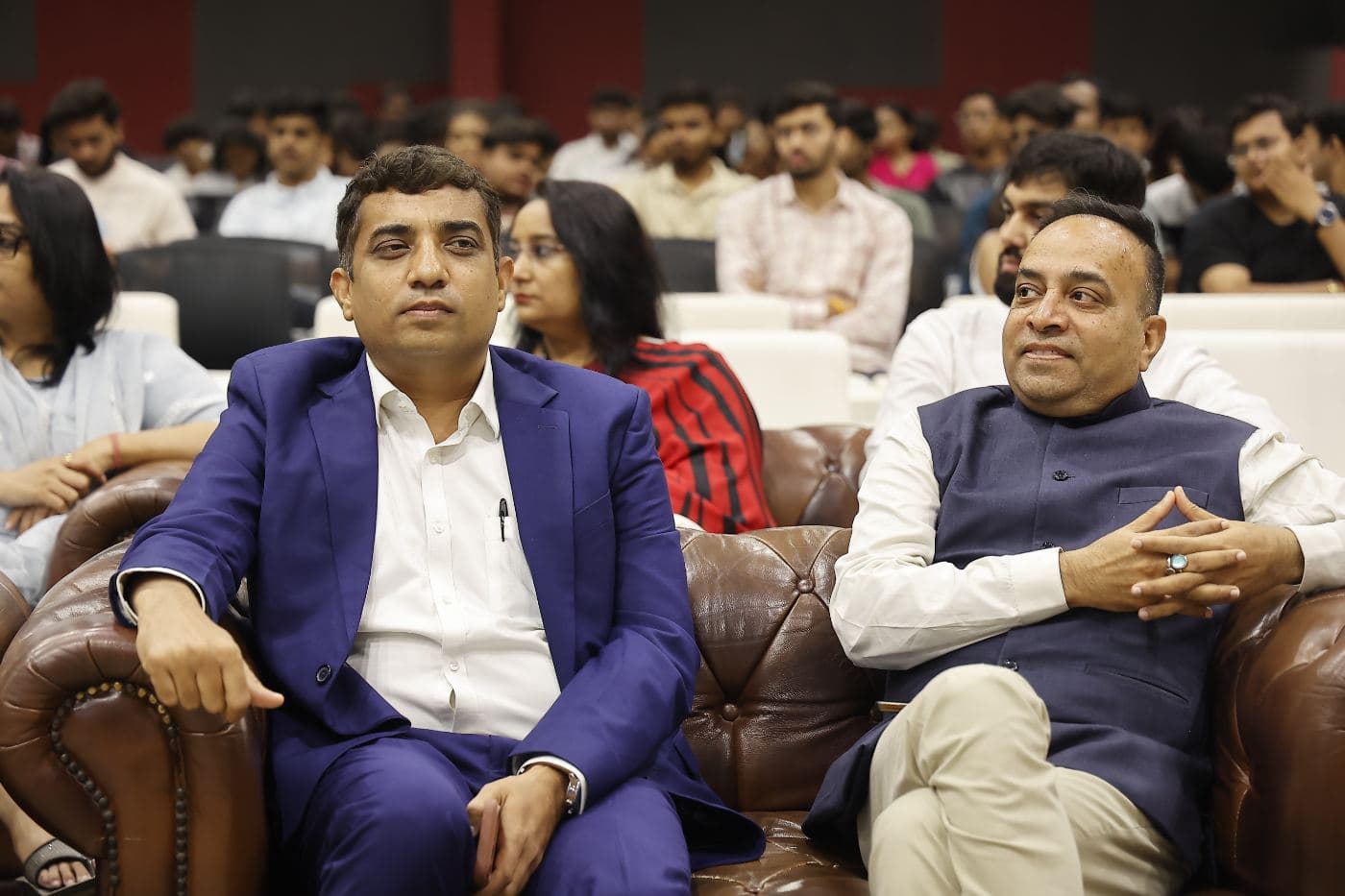
The degrees are the smallest part of it. Most of what I use daily was learned on programmes that went sideways, and in classrooms where I was supposed to be the teacher.
Thirty-odd campus sessions a year keep the learning honest — students ask the questions boards are too polite to.
The other half of the story
Nobody's whole self fits on a LinkedIn profile. Here's what fills the rest of the week.
Read widely, then talk to strangers. That's the whole method.
On where ideas actually come from
Sport taught me more about teams than work did
Nothing exposes a team's real dynamics faster than a game with a scoreboard — and nothing clears a stuck problem like a long walk.
Cricket
Sunday mornings, same ground, same arguments about the LBW. Twenty years of the best leadership lessons I never paid for.
Badminton
Midweek, fast and unforgiving. An hour where nobody cares what your title is — only whether you reach the shuttle.
Walking
Six kilometres before the first call. Most of what I write and half of what I say on stage was worked out on that route.
If any of this sounds familiar
Speaking invitations, mentoring requests, or an argument you think I have wrong — all welcome.